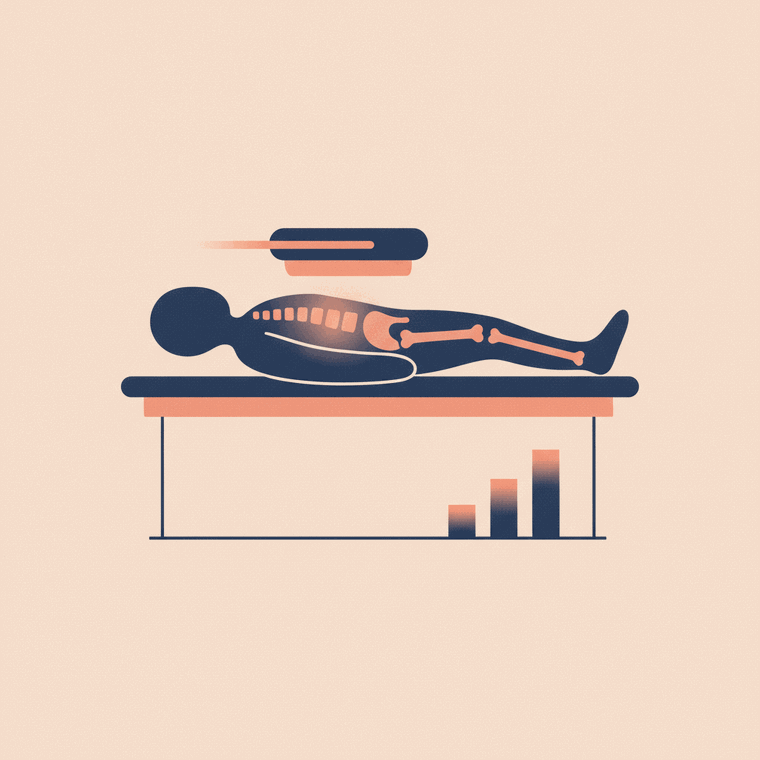
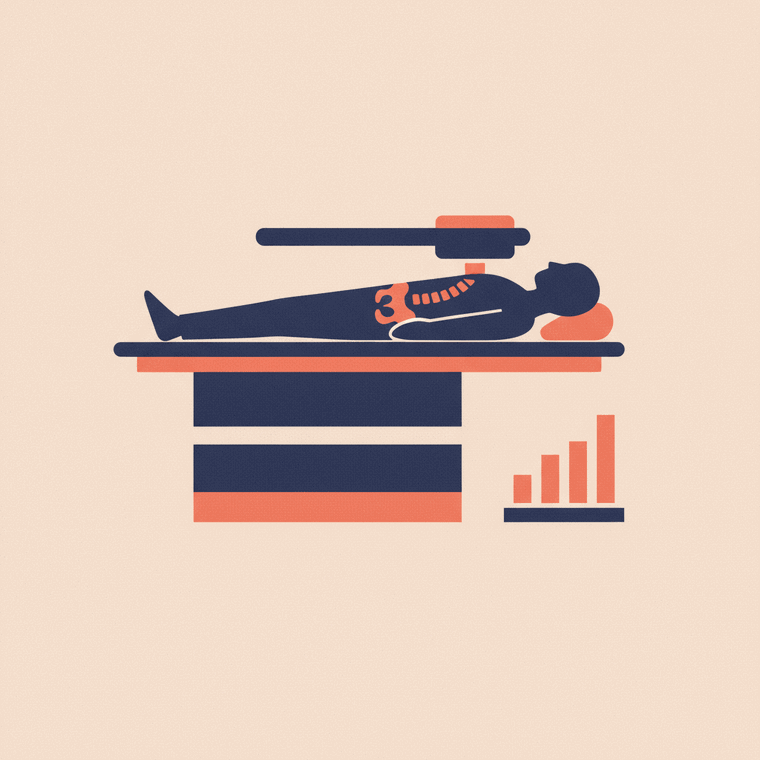
 Scans
ScansA DXA scan is the gold-standard test for bone strength and osteoporosis. Here's who needs one, what the T-score and Z-score mean, what to expect, and why it's very low-dose and painless.
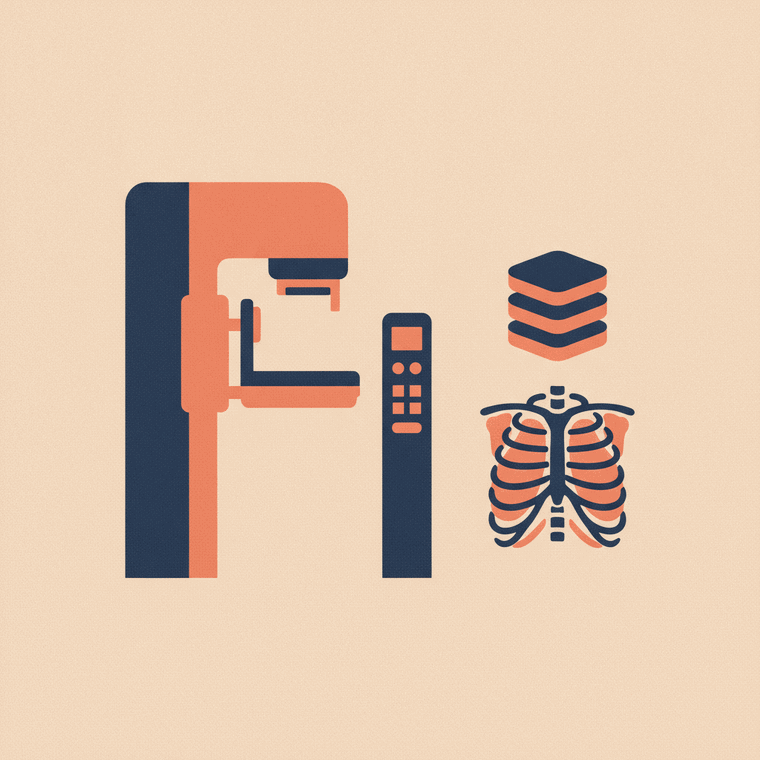 Technology
A 3D mammogram takes multiple images to build a layered picture of the breast. Here's how it differs from a standard mammogram and where it can help.
 Safety
A DXA scan uses a very low dose of radiation and has no apparent adverse effects. Here's the honest safety picture, including the one absolute contraindication.
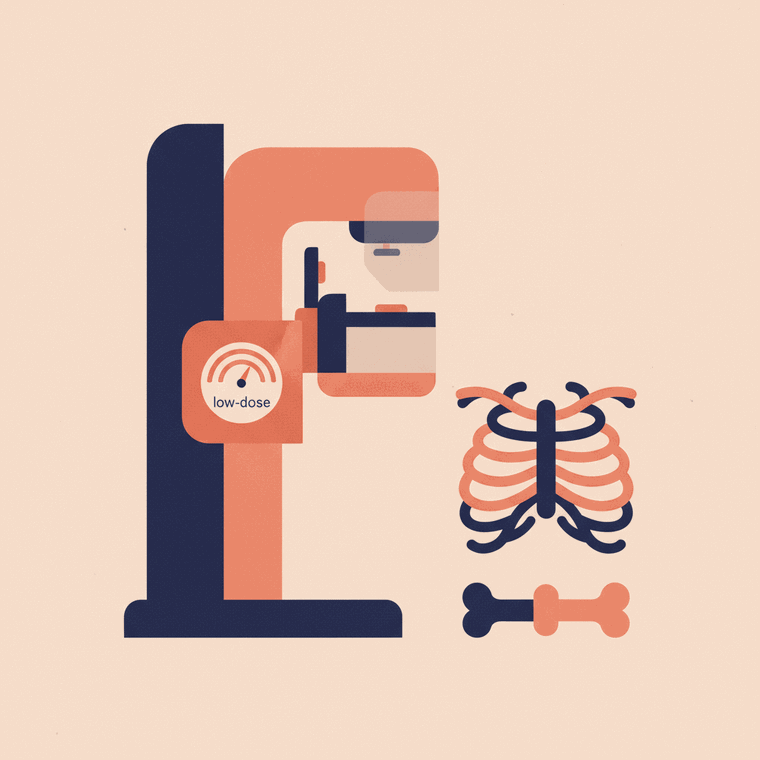 Safety
A mammogram uses a low dose of radiation, and the benefit of early detection outweighs the small risk. Here's the honest safety picture, including the compression.
 Screening
BreastScreen offers free mammograms every two years and prevents about 8 breast-cancer deaths per 1,000 women screened — but screening isn't risk-free. Here's the honest, balanced picture and how to take part.
 Myths
MythsWorried about radiation, or think you don't need a mammogram without a family history? Here are common mammogram myths and what the evidence actually says.
 Technology
Almost all mammograms today are digital — captured electronically rather than on film. Here's what that means for image quality, comparison and your experience.
 What to expect
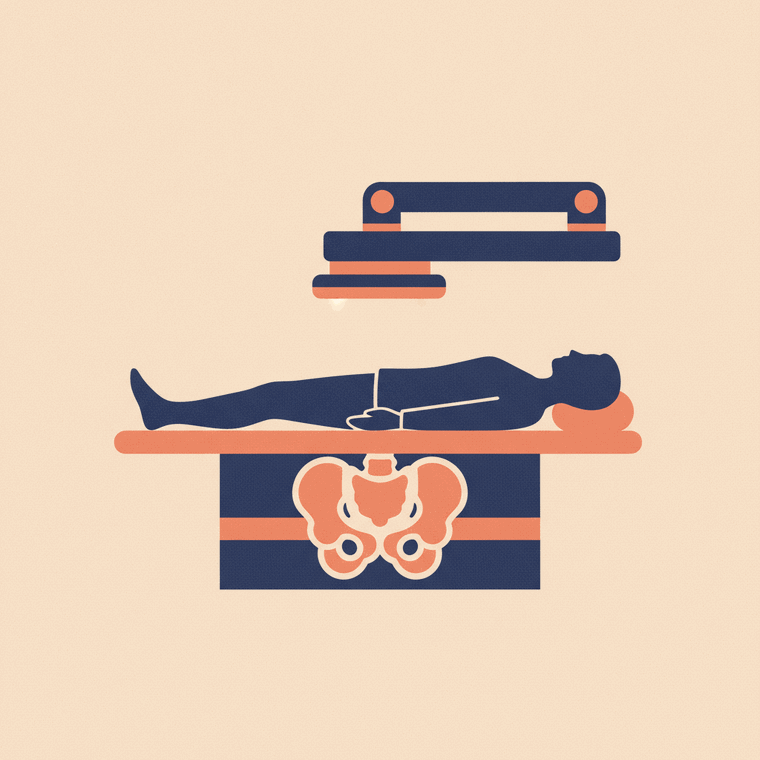
A DXA scan is a quick, painless, low-dose test that measures bone density. Here's exactly what happens, how long it takes, and the few things that can affect it.
 Compare
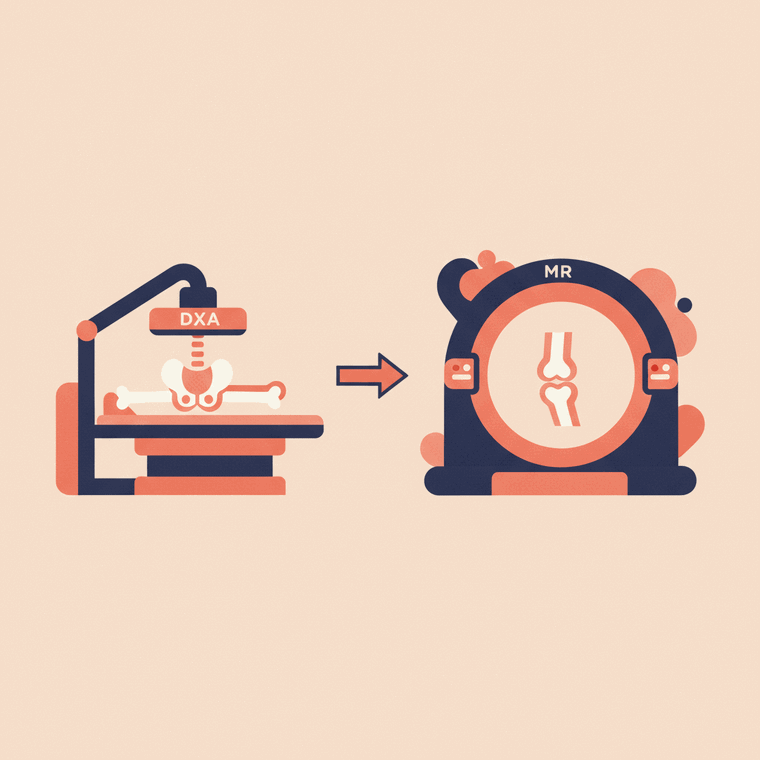
A DXA scan and an MRI are sometimes confused, but they do completely different jobs. Here's what each measures and when you'd have one or the other.
 Preparing
A few simple steps make a mammogram easier and clearer — like skipping deodorant on the day and timing it well. Here's how to prepare.
 Safety
A nuclear medicine bone scan uses a small radioactive tracer (about 5 mSv) and has no adverse effects. Here's the safety picture — and how it differs from a DXA scan.
 Results
Being called back after a screening mammogram is common and usually not cancer. Here's how mammograms are read, what dense breasts and BI-RADS mean, and how results work.
 Scans
ScansA mammogram is a low-dose X-ray of the breast. Here's the difference between a screening and a diagnostic mammogram, what the compression feels like, the radiation involved, and what happens if something is found.
 Screening
In Australia, BreastScreen actively invites women aged 50–74, while those 40 and over can attend free. Here's how the ages work and what to consider.
Browse all 12 imaging topics, or jump straight to costs and Medicare.