 Basics
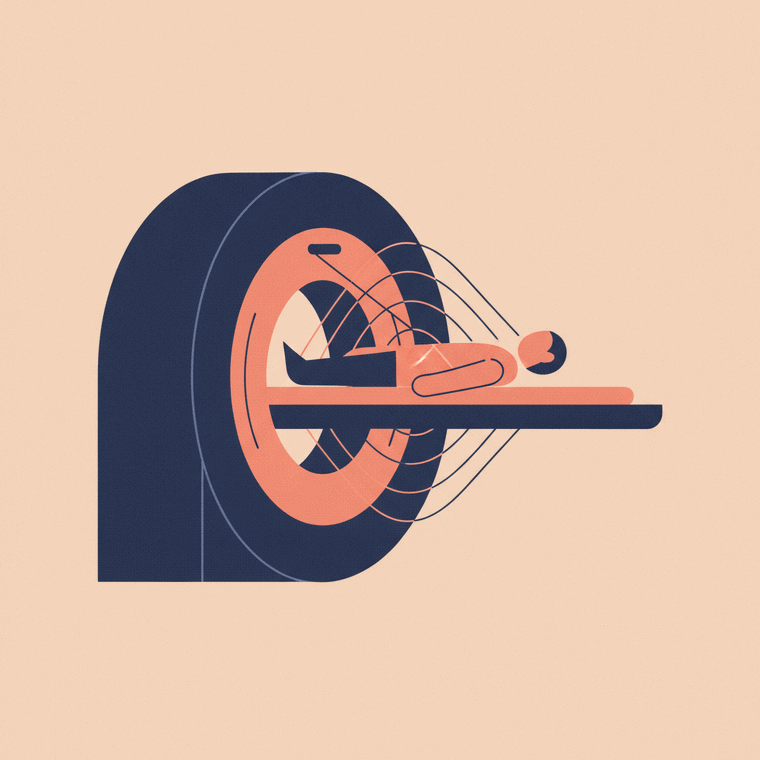
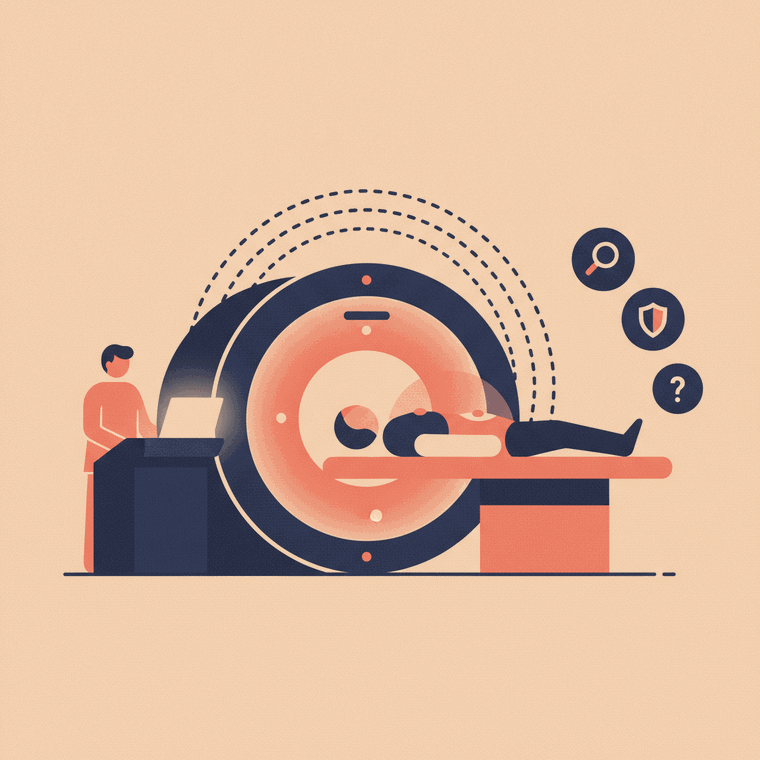
A CT scan uses X-rays and a computer to build detailed cross-sections of the body in seconds. Here's how it works, what it's used for, what to expect in an Australian clinic, and how it compares with MRI.
 Body parts
A CT of the abdomen and pelvis is a detailed look at your internal organs — used for pain, kidney stones, cancer and more. Here's what it shows, the contrast and fasting involved, and the radiation dose.
 Results
Waiting on CT results? Here's how a CT scan is read, who interprets it, what common report terms mean, and why you usually get results from your referring doctor — not on the day.
 Safety
A CT uses more radiation than an X-ray — but how much, and does it really matter? Here are the actual doses in Australian terms, the honest risk picture, and how contrast dye is handled safely.
 Uses
UsesCT is one of the most important tools in cancer care — finding tumours, working out how far they've spread, guiding biopsies and tracking whether treatment is working. Here's how it's used.
 Which scan?
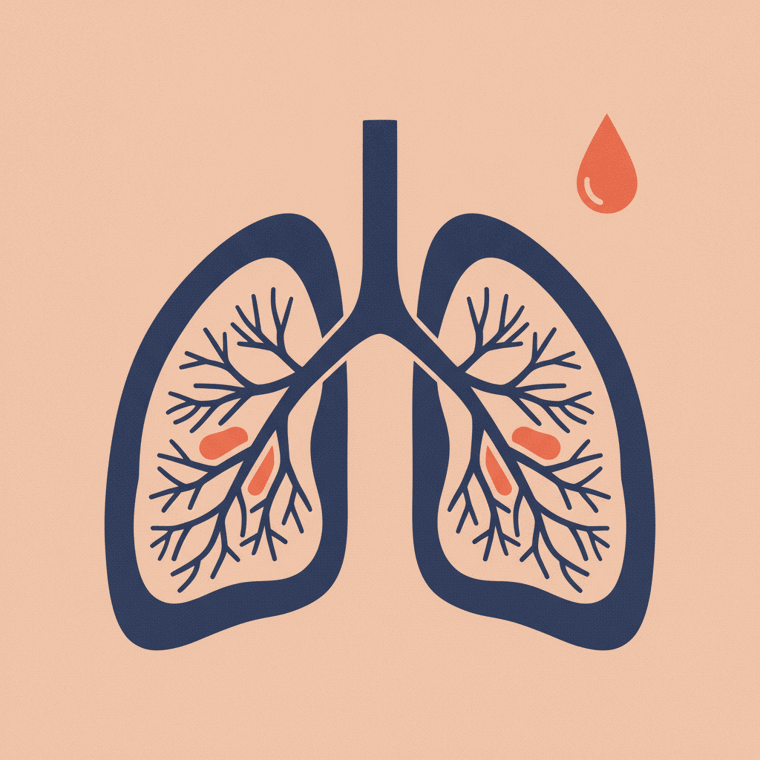
A CTPA (CT pulmonary angiogram) is the main scan used to look for a pulmonary embolism — a blood clot in the lungs. Here's what it involves, the contrast injection, and the radiation.
 Uses
UsesPrivate 'whole-body' CT health checks sound reassuring — but for healthy people without symptoms, experts advise against them. Here's why, when a multi-region CT is genuinely useful, and what to do instead.
 Body parts
A head CT is fast and excellent at spotting bleeding, which is why it's the first scan in head injuries and suspected stroke. Here's what it shows, what to expect, and how it compares with a brain MRI.
 Preparing
Preparing for a CT depends mostly on whether you're having contrast dye. Here's what to fast for, what to tell staff about (allergies, kidneys, diabetes, pregnancy), what to remove, and what to bring.
 Which scan?
Suspected appendicitis is diagnosed with a CT, an ultrasound, or (in pregnancy and children) an MRI. Here's which scan is used when, and what each shows.
 Which scan?
Suspected kidney stones are usually diagnosed with a low-dose CT (CT KUB) or an ultrasound. Here's which scan is used when, what each shows, and the radiation involved.
Browse all 12 imaging topics, or jump straight to costs and Medicare.