 Safety
Contrast dye is very safe for most people. Here's a plain-English safety overview of both types — iodine for CT and gadolinium for MRI — who needs extra care, and how Australian clinics manage it.
 Safety
Reactions to contrast dye are uncommon and usually mild. Here are the real numbers for iodine and gadolinium, what to watch for, and what happens if you've reacted before.
 Options
If you can't have contrast — because of a reaction or kidney problems — there are often other ways to get the answer. Here's how non-contrast scans, ultrasound, MRI and microbubbles can help.
 Compare
Some scans use a contrast 'dye' and some don't. Here's when contrast is needed, the difference between iodine (CT) and gadolinium (MRI), and why many scans don't need it at all.
 CT
CTMany CT scans use an iodine contrast injection. Here's why it's added, the normal warm-flush sensation, and the safety checks Australian clinics do beforehand.
 Safety
Gadolinium is the contrast agent used in MRI scans. Here's how safe it is, why reduced kidney function needs a blood test first, what 'retention' means, and when it's avoided.
 Safety
Iodine contrast (ICCM) is the dye used in CT scans, angiograms and some X-rays. Here's how common reactions really are, what the warm-flush feeling is, and who needs extra care — with the real numbers.
 Safety
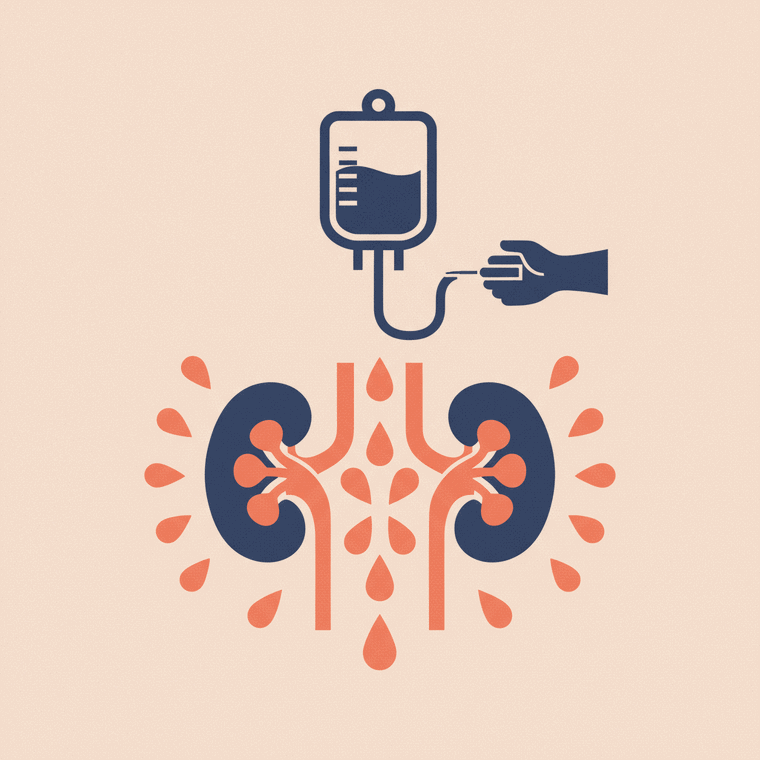
If your kidney function is reduced, contrast dye needs extra care. Here's how iodine and gadolinium differ, who needs a blood test first, and what it means if you take metformin.
 MRI
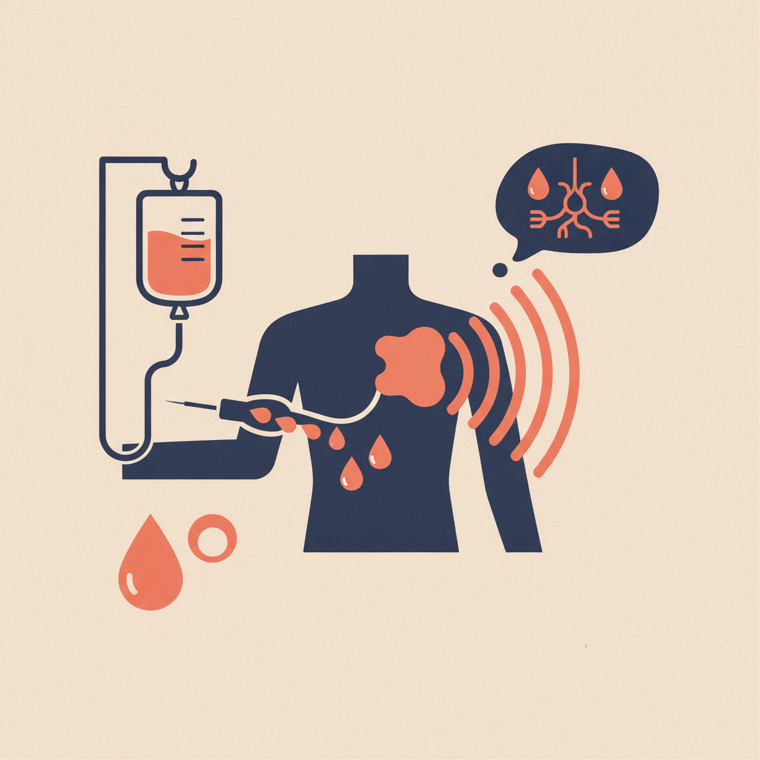
MRISome MRIs use a gadolinium contrast injection. Here's when it's needed, what it adds, and the safety points around kidneys, pregnancy and gadolinium retention.
 Preparing
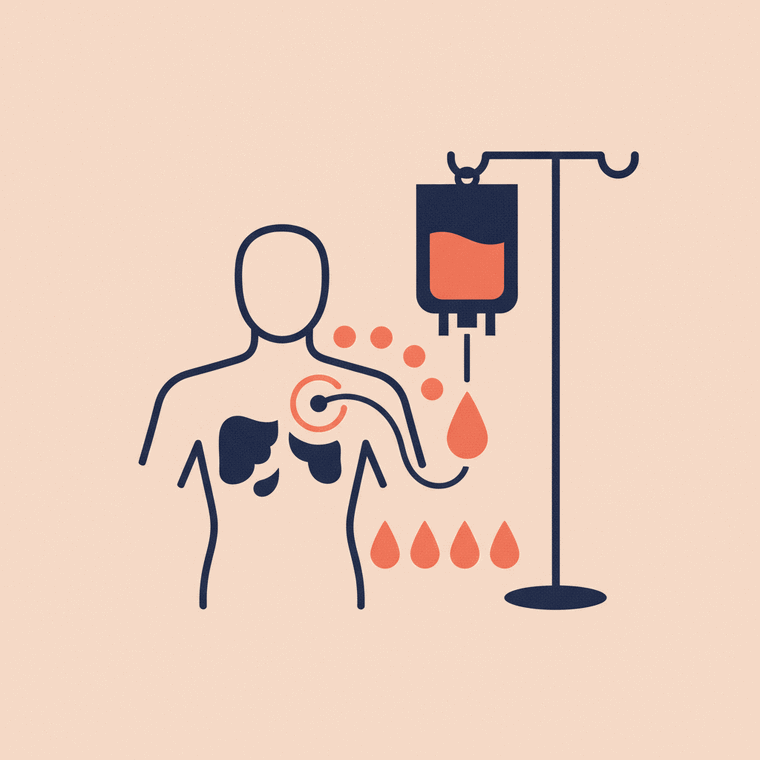
If your scan uses contrast, a little preparation helps it go smoothly and safely. Here's what to tell the team, when you might need to fast, and the kidney check.
Browse all 12 imaging topics, or jump straight to costs and Medicare.